Have you read something and then dozed off, only to find yourself skimming through it because the reading was too complicated to understand?
That's okay! Many people do, including me — you're not alone!
Comprehension takes time.
Reading difficult material is a process that requires:
A quiet area that has minimal distractions
Slow and mindful reading to stay focused on the text
Deep reading that causes you to engage with it and question it
Discussing it with others so that you're able to explain it
Taking breaks to rest the mind
With these strategies, I was able to overcome this and understand difficult reading material — whether academic, research papers, or literature.
1. Choose a Quiet Area
Think of this step as setting yourself up for success! A quiet area with minimal distractions is crucial when engaging with difficult reading because it gives you the space to focus and reduces the amount of time that you lose focus.
My best advice is to book a study room at a library, or go to the quiet area in the library while playing power focus music through noise-cancellation headphones.
Finding a space where there are no digital devices around
Placing your phone in another room
2. Read Mindfully
Slow and mindful reading means making sure you stay present in the reading. When you catch yourself dozing off or losing attention, you return to the reading.
Before reading the text, set a goal:
Ask yourself what you're hoping to understand from the text.
Remind yourself of this as you read.
Photo by Mark Fletcher-Brown on UnsplashMindful reading also means changing your strategy to fit your needs. As you're reading a text, pay attention to how you receive the information and adjust to what works for you.
If the text is too complicated, read one paragraph at a time and process it.
On the other hand, if you find some information to be easier to understand, skim through it.
3. Practice Deep Reading
Deep reading means:
Allowing your personal experiences and knowledge to build on the text.
Question the text in a way that allows you to create your own meaning of it.
Now let's practice deep reading!
Deep Reading Practice Example
Passage:
Myths are stories, the products of fertile imagination, sometimes simple, often containing profound truths. They are not meant to be taken too literally. Details may sometimes appear childish, but most myths express a culture's most serious beliefs, eternity, and God.
Step 1: Make a Connection
As you read, think about your own experiences and knowledge.
Have you ever heard a story (from your family, culture, religion, or a movie) that taught an important lesson even though it wasn't literally true?
How does that experience help you understand this passage?
Step 2: Question the Text
Choose one sentence from the passage and write down at least two questions about it.
For example:
What does the author mean by "profound truths"?
Why shouldn't myths be taken literally?
Can something be imaginary and still be true?
Step 3: Build Your Own Meaning
Using the passage, your experiences, and the questions you asked, write 2–3 sentences explaining what you think the author is trying to say about myths.
4. Discuss with Others
The process of discussion allows you to hear out others' ideas and work through confusion. Not only that, but when you are able to explain your thoughts and ideas to others about a text, you are growing in the ability to understand the text!
How can I discuss with others?
Well, as you engage with the difficult reading, you will most likely have questions come up. Write them down! Those questions will help you engage in a discussion with your peers.
Now that you've read the passage about myths, imagine you're discussing it with your classmates.
Start by asking questions such as:
What do you think the author means by "profound truths"?
Why do you think the author says myths should not be taken literally?
Do you agree that stories can teach important truths even if they are fictional? Why or why not?
As you listen to others, pay attention to how their ideas are similar to or different from yours. Hearing different perspectives can help you notice details or interpretations you may have missed.
If you don't have a classmate to talk with, explain the passage to a friend or family member. Then ask what they think the author is trying to say about myths. Talking through the passage out loud and hearing another person's perspective can help deepen your understanding.
5. Take Breaks!
Reading difficult material is hard and it will take a mental toll on you! Which is why a break and a Pomodoro timer are your best friends in this process!
While a pomodoro timer is not a necessity, breaks are, so consider taking 10-minute breaks between 30-40 minutes of reading.
Take a walk! Stretch! or eat a snack! Whatever will make you keep going, do that! Think of this as your reward for engaging in something difficult. You deserve it!
Quiz
Imagine you're in psychology class and you're given a 20-page research paper to read about how memory works for next week's session. It's not a topic you know much about. Every time your professor brings it up, you feel totally lost.

 Photo by Siora Photography on Unsplash
 Photo by Morgan Housel on Unsplash
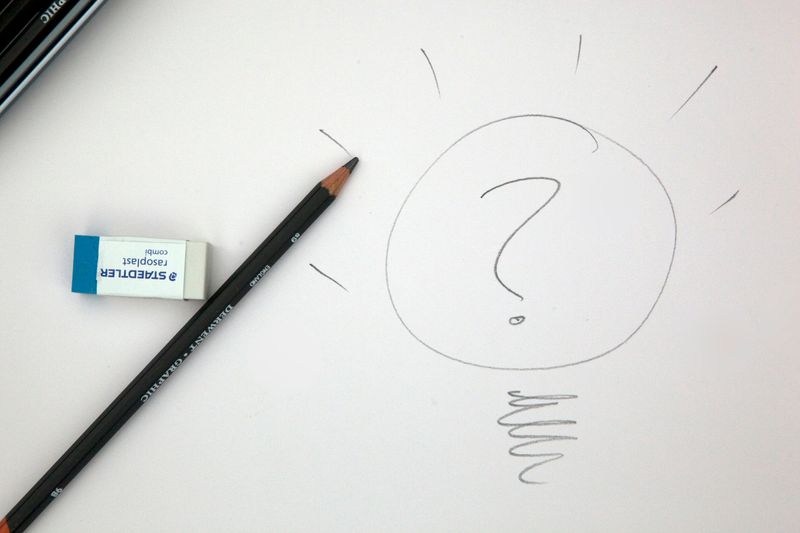 Photo by Mark Fletcher-Brown on Unsplash
 Photo by Antenna on Unsplash
 Photo by Hümâ H. Yardım on Unsplash