
A more sustainable garment is the one already in your wardrobe.
— fashion designer Orsola de Castro
 Extending the life of your favorite sweater can save money, spark creativity, and reduce your environmental footprint.
You probably already take great care of your clothes, but there might be some adjustments you can make to be more sustainable.
Check out these 5 simple tips to care for your clothes in a way that’s kinder to your wardrobe, your wallet, and the planet.
1. Treat Stains, Not the Garment
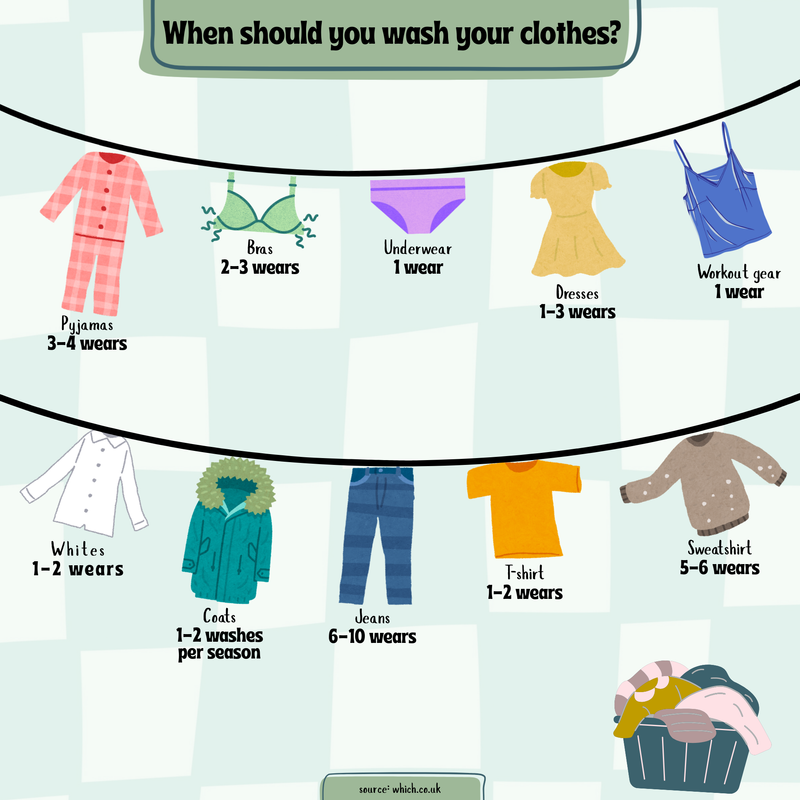 Image made by the author using information from which.co.uk. To hear an audio description of the image, click play on the audio player below:
Clothes can be worn multiple times before throwing them in the wash. When they smell or have large stains, that is the time to wash them.
Wash less often to extend the life of your clothes, as washing machines can damage clothing. Bonus: You’ll save water!
Use cold or warm water, as hot water can damage fibres.
 If you get a stain, try to keep it from drying.
Gently treat it as soon as possible.
Blot it with a stain remover product, like a spray or a pen, for when you're on the go.
Use homemade remedies like vinegar or baking soda, and this mix for pit stains.
 Stain Tip
When cooking or doing mess work, wear an apron. You’ll be protecting your clothes and can wear the apron several times before having to wash it.
2. Follow Instructions and Fabric Care
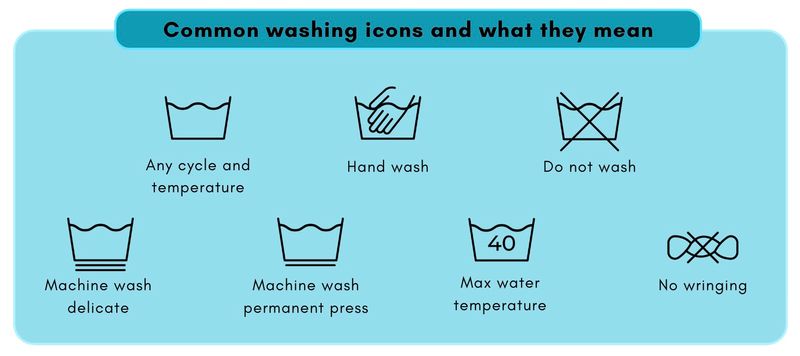 Image by author with information from ised-isde.canada.ca. To hear an audio description of the image, click play on the audio player below:
All fabrics have special instructions to help you extend their lives.
Yes, some of these labels read like ancient runes, but what works for one garment might damage another one.
Things to consider before hitting start on your machine:
Water Temperature ❄️
Unless you are washing heavily soiled clothes (oil-stained), cold or warm water will get the job done and prevent colors from running.
Cycle Speed 🔄
For everyday wear, opt for the "delicate" or "gentle" cycle setting to avoid thinning fabric and microplastics.
Detergent Type 🧼
Avoid pods or dissolving detergent, as they can carry irritants and microplastics.
To Dry or Not to Dry? 💨
Hang dry clothing when possible. Heat is known to degrade the strength of fabrics.
 Fabric Tips
Invest in a filter to wash synthetic fabrics. The mesh bag or filter will help reduce the amount of microplastics that are released into water systems.
For delicate fabrics, wash them in mesh bags to avoid any snagging. Use the delicate cycle on your washing machine or wash by hand.
Wash clothes inside out, especially denim or any clothing with finishes or detailing. This helps manage wear and tear.
Quiz
You just wore your old wool sweater to dinner. It smells fine and has no stains. What should you do? Select all that apply:
3. Be Conscious of Your Detergent use
 You can elevate your wash days to be more sustainable by:
Using less detergent. Detergent can make your clothes feel stiff and hold in more dirt. For a regular wash, use ½ the recommended amount of detergent and ½ cup of baking soda.
Using a concentrated form of detergent to reduce packaging.
Skipping fabric softeners. Studies show that it can coat clothes and prevent detergent from penetrating them.
 Detergent Tip
Can't part ways with the idea of using a fabric softener? Add vinegar to your cycles instead! It will not only soften your clothes, but will also get rid of odors and stains.
Quiz
You find a loose button on your jacket while putting your clothes away for the season. What should you do?
4. Store Clothes in a Cool and Dry Spot
If you have a seasonal wardrobe, store clothes that you won’t be wearing for the next 3-4 months. This will give more space and allow you to rotate your wardrobe.
 Wash and fully dry your clothes.
Make sure to follow the label instructions.
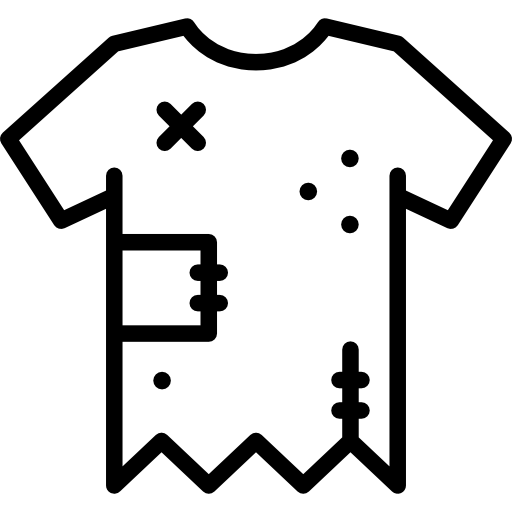 Address any damage right away.
If it's not possible, write a note to remember for later.
 Put clothing away in the right place and the right way.
The rule of thumb is a dry, dark spot.
Short-term storage solutions include:
Suitcases
Garment bags
Cardboard boxes
Long-term storage solutions include:
Breathable bins
Vacuum seal bags
Mothballs or cedar to defend against insects.
Some wool garments are quite delicate. Use these additional tips to store them properly.
 Storage Tip
Take pictures of the contents of your storage solution or make a digital list. This will save you time later when you’re looking for that silk blouse!
5. Repair Rather Than Replace Garments

It's good practice to address any damage as soon as possible, so your clothes can be season-ready for next time.
Get crafty to extend the life of your garment:
Find the right mending option for small holes in your garments.
Dye clothes that have lost their color or have stains.
Find a local tailor or cobbler for bigger projects:
Ask the right questions to ensure your items are in the right hands.
 Creative Tip
Consider using visible mending for bigger rips or holes, where the repair work is left visible and aesthetically pleasing. Get help from subreddits like r/Visible Mending.
Take Action

With this newfound knowledge, start with these three steps this week to continue your sustainable journey:
Your feedback matters to us.
This Byte helped me better understand the topic.