
Have you ever wanted to play electric guitar?

Playing electric guitar is a great way to improve memory, hand-to-eye coordination, and cognitive function.
It's also a great way to connect and play with other people!
No idea where to start? Let's look at some different ways to begin learning to play.
Differences Between Electric & Acoustic Guitars
Choosing between an electric or acoustic guitar is a personal one and depends on what music you want to play.
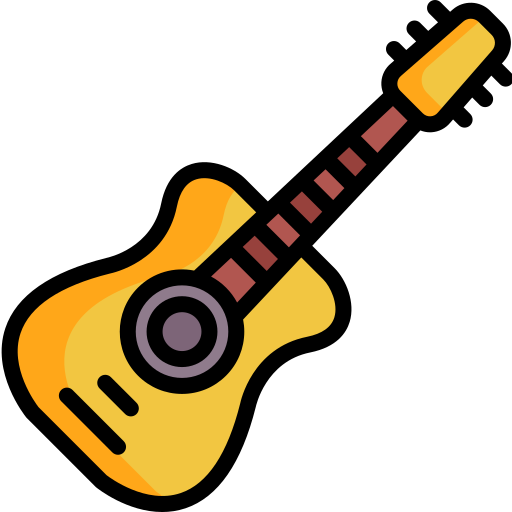 You can play acoustic guitars straight away because you don't need an amp. They are great for building finger strength and are popular for playing folk music.
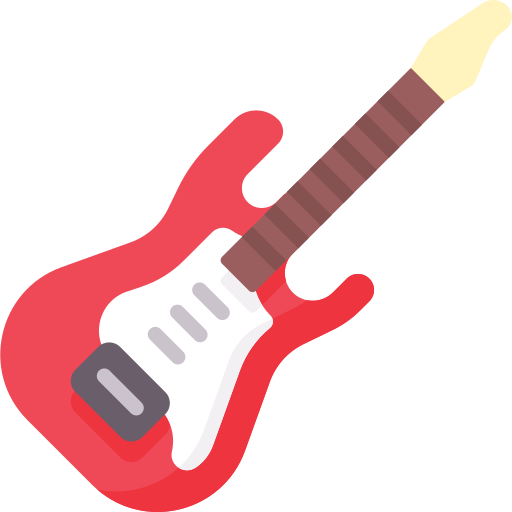 Electric guitars need an amp so you can hear what is being played. They are usually easier to play for beginners and are popular for playing rock, blues, or metal.
 Playing both types of guitar is similar. Both involve chords (two or more notes played together) or scales (series of notes), but the physical feel and types of music are different.
Choose the Right Electric Guitar
The first thing is to choose a guitar. It doesn't have to be expensive.
You can find a cheap second-hand guitar on popular online marketplaces such as eBay, Facebook Marketplace, Craigslist, or Kijiji. Or you could find a local music shop.
 Photo by Jeremy Allouche on Unsplash
Some of the best guitar brands for beginners are Yamaha, Fender Squire, and Epiphone.
Learn the Basics
As well as the guitar, you'll need an amp and a cable to connect the guitar to it. You'll need a strap so you can stand up and play, and some guitar picks.
Depending on the type of guitar you have,you'll have a mixture of different knobs to control tone, volume, or a pickup selector.
 Learn how to hold the guitar properly. Make sure you sit upright with the guitar resting on your lap.
If you're right-handed, your right hand will strum the strings, while your left will hold them down. Try to keep your hands relaxed while playing.
Use an app like GuitarTuna to tune your guitar correctly. Standard tuning is E-A-D-G-B-E (from thickest to thinnest string).
Quiz
What should you try to do with your hands while playing?
Use Beginner-Friendly Resources
There are lots of free resources you can use to help you start practising online.

Apps: Yousician
Websites: Guitar World & Justin Guitar
YouTube Channels: Marty Music
If you prefer learning from books, you could try to find a copy of Hal Leonard's Guitar Method or other books from the video below:
Practice Regularly
Learning scales help understand note patterns used in music to develop melodies and solos.
Learning to strum correctly helps with chord progressions and rhythm, which is great for a rhythm guitarist.
Try to practise as much as you can using:
Short, frequent sessions: 15–20 minutes daily is better than 2 hours once a week.
Warm-ups: Spend 5 minutes stretching your fingers and playing simple scales (e.g., the C major scale).
Metronome: Use a metronome or app to keep time and improve your rhythm.
Goals for Your First Week

Follow this guide for your first week of learning to play guitar:
Day 1: Tune your guitar and learn Em and Am chords.
Day 2: Practice switching between Em and Am.
Day 3: Learn the C chord and practice transitions.
Day 4: Learn a simple strumming pattern (e.g., down-down-up-up-down).
Day 5: Learn the C and D major scale.
Day 6: Learn the G chord and practice switching between C and G.
Day 7: Learn a 3-chord song.
Take Action
Now it's time to put all this into practice!

Your feedback matters to us.
This Byte helped me better understand the topic.