
I was sitting on the couch, staring at my phone. My best friend, Sam, had just sent a one-word text: "Fine."
We had been arguing for an hour about who was supposed to pick up the snacks for our road trip. It started small, but suddenly, it felt like our friendship was hanging by a thread.
 Photo by Vitaly Gariev on Unsplash
That sinking feeling in your stomach? The "I'm-so-mad-but-also-sad" vibe? We’ve all been there. Here is how I moved past the ”Fine" and saved our friendship.
Step 1: Choose to Reset
When you respond like that, your "fight or flight" mode kicks in. Your heart rate jumps, and you literally can't think straight.
My two cents? Don't reply yet! Take 20 to 30 minutes. Your body needs time to wash away the stress hormones.

What I did:
I put my phone in another room and went for a quick walk. I didn't wait 24 hours (which may feel like "ghosting"). I just took long enough to stop feeling "shaky."
What you could say:
"I’m feeling pretty heated, and I don't want to say something I'll regret. Can we chat in 30 minutes?"
"Hey, my brain is feeling a bit fried right now, and I’m not in the best headspace to chat. I’m going to put my phone down for 30 minutes to reset, then I’ll get back to you!"
Step 2: Build the Bridge
Create a path to connection rather than a wall of defense and resentment. In other words, build a bridge. Without a well-built bridge, communication in these situations can easily turn into a clash.
For instance, I wanted to text Sam: "You're always so irresponsible!"
But wait! Before you hit send on that text — remember that the "you message" often makes people feel attacked and start fighting back. The key is to keep communication intentional and respectful.
 Photo by Christina @ wocintechchat.com M on Unsplash
Avoid:
Stay away from absolutes like "always" or "never", and "you" messages.
Statements like "You always do this!" and "You're so irresponsible!" can make the other person defensive.
Say:
Use the "I" Formula: "I feel [emotion] when [behavior] because [impact]."
Try: "I feel stressed when plans aren't clear because I'm the one who ends up rushing."
Echo:
Listen to validate and verify, not to counter-attack.
Try: "So, what I'm hearing is that you were overwhelmed at work and forgot. Is that right?"
Scenario
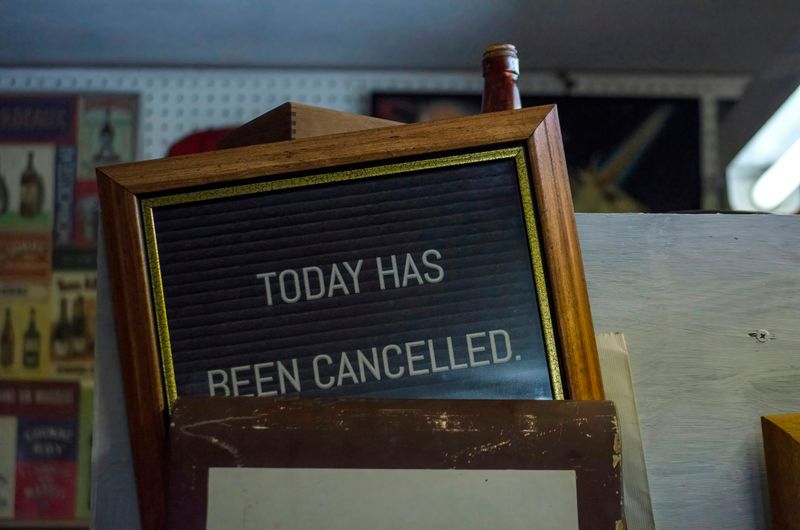 Photo by Robin Jonathan Deutsch on Unsplash
Your friend canceled plans last minute. Select the response that helps build a bridge.
A. "You always flake on me. It’s so annoying. You clearly have no respect for my time."
B. "I feel disappointed when we cancel late because I really look forward to hanging out."
C. "Whatever. I have errands to do. It’s probably for the best that we cancel anyway."
Quiz
Which response helps build a bridge?
Step 3: Remember You're Teammates
Instead of focusing on "Me vs. You", consider shifting to "Us vs. The Problem."
This simple reframe can help you separate the person from the conflict and remember that your friendship is more important than winning an argument.
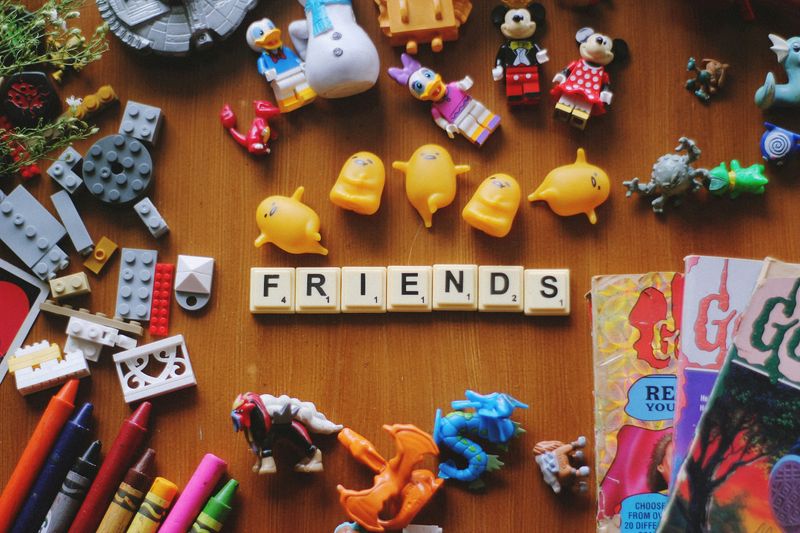 Photo by Hannah Rodrigo on Unsplash
What you could say:
Brainstorm a fix that works for both of you. Ask "how" or "what" questions.
For example:
"How can we make sure the snacks are covered next time without it all falling on you?"
"What’s a realistic schedule we can set so the trash gets taken out before it starts to smell?"
"What’s the best way for me to reach you when something is urgent, so I don’t feel like I’m bothering you with too many texts?"
What I did:
In my story, Sam and I decided to start a shared digital list of responsibilities for our upcoming trips. Sam promised to check it daily, and I promised not to nag. By tackling the system rather than each other, the problem stayed solved!
Take Action
Clear, honest, and respectful communication is the foundation of a strong friendship.
The secret sauce? Realizing that you aren't fighting each other; you're fighting the problem together!
 Photo by Markus Spiske on Unsplash
To put this into practice, follow these steps:
Your feedback matters to us.
This Byte helped me better understand the topic.