
Do you dread the start of your workday?
Does logging in or entering your workplace bore you or stress you out and make you want to give up?
 Photo by Elisa Ventur on Unsplash
You may be wondering if you're the problem. There could be a bigger issue affecting the whole workplace: a poor employee experience.
In 2021, only about 50% of employees across the world reported a great experience in their workplace.
There are some easy ways to find out if a poor employee experience affects your workplace.
Employee Experience
Employee experience (EX) includes every interaction an employee has with the organization that they work for, including their experience with applying, interviewing, onboarding, daily work, and professional development.
EX affects an organization's success because happy employees feel motivated to engage in productive work. Having a positive work environment and good reputation helps companies grow and thrive.
Key factors that create a positive EX:

Daily practices aligned with the organization's values (creates a positive work culture)

Clear communication of goals and changes

Inclusion and accessibility

Employees knowing they're valued (including fair compensation, ongoing recognition, listening to feedback, and taking action to address their needs)

Flexibility (e.g., hybrid work structures and practices that support a healthy work-life balance)

Relevant and user-friendly technology and resources

Reliable support systems and leadership

Skill-building and career growth
Look For These Signs of a Poor Employee Experience
You can identify a poor EX even if you aren't directly involved in formally measuring and improving the EX at your workplace.
High Turnover
The biggest red flag is high turnover. If people are leaving the company often, this suggests that there's an ongoing problem with how things are being run.
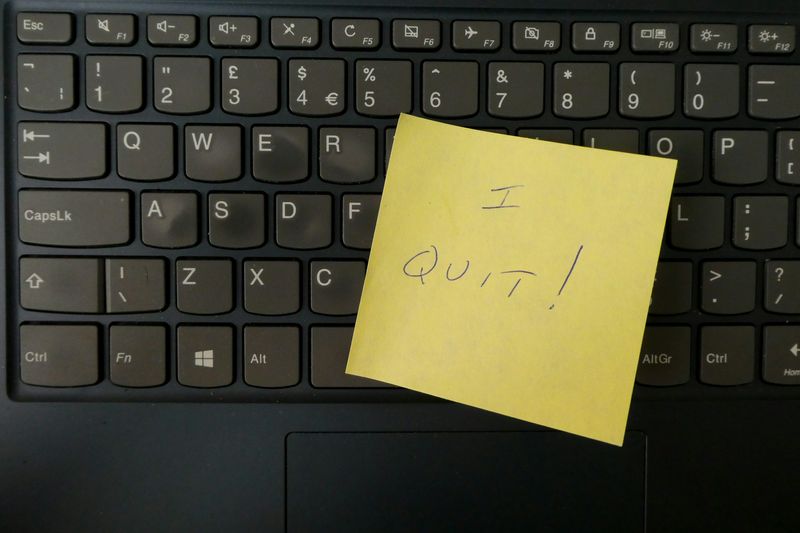 Photo by Nick Fewings on Unsplash
Employees leave if they're unsatisfied with their experience. Underlying issues need to be addressed to reduce turnover.
Communication Breakdowns
When there aren't clear processes of communication within a company, it can cause confusion and frustration.
 Employees need to know what communication tools to use and have consistent opportunities to share their thoughts and collaborate. They also need clarity about expectations and goals. Things won't run smoothly if communication is neglected.
Stagnation
When employees don't have accessible learning and development opportunities to help them improve their skills and strive for new goals, they may lose motivation, feel stuck, and have lower productivity. This also causes poor business outcomes and drives employees to leave.
 Image courtesy of Mizuno K via Pexels
Poor Mental Wellbeing
A poor EX has serious consequences for health and wellness. If employees face excessive pressure and demands that reduce work-life balance, they may feel overwhelmed and experience burnout. This is caused by poor management, such as having unclear policies and a lack of boundaries.
 If employees feel undervalued, they may become numb or depressed. EX initiatives like employee recognition programs, reliable support systems, improving resources, and opportunities for social connection can support wellbeing.
These signs connect and overlap because when there's one problem with a company's processes, it can affect other areas that combine to create a poor EX.
Check Your Understanding
 You're worried about the EX in your workplace. Which sign would be the strongest indicator that there’s a poor employee experience?
A. Your coworkers are interested in training for a new role in the company.
B. Your coworkers often tell you that they're too nervous to talk to the manager.
C. Your coworkers point out that the team has spent less time in meetings lately.
D. Your co-workers have noticed that it's getting much busier due to company growth.
Quiz
Select the strongest indicator that there’s a poor employee experience:
Compare Examples of Employee Experience
Inaya and Violet work in the same industry, but they have very different work environments.
 Inaya: Good Employee Experience
Feels supported and respected
Clear role and impact
Helpful tools and accessible resources
Internal growth opportunities
Receives recognition and fair compensation
Work-life balance is prioritized
Inaya will happily stay at her workplace.
 Violet: Poor Employee Experience
Feels stressed and judged
Unclear responsibilities and outcomes
Outdated tech and low resources
Received minimal training
Not shown appreciation and under-paid
Discouraged from taking time off
Violet will quit her job at the first opportunity.
Which of their experiences is most similar to yours?
Take Action
 Now you can identify a poor employee experience and learn to address it.
Your feedback matters to us.
This Byte helped me better understand the topic.