
You're walking to a coffee shop when you smell smoke and look up to see a dark cloud coming from a nearby building.
You want to help, but you feel scared too.
You don't know what to say in English.
It's normal to be scared when there's sudden danger. You can take steps to prepare by learning safe and helpful ways to respond to emergencies.
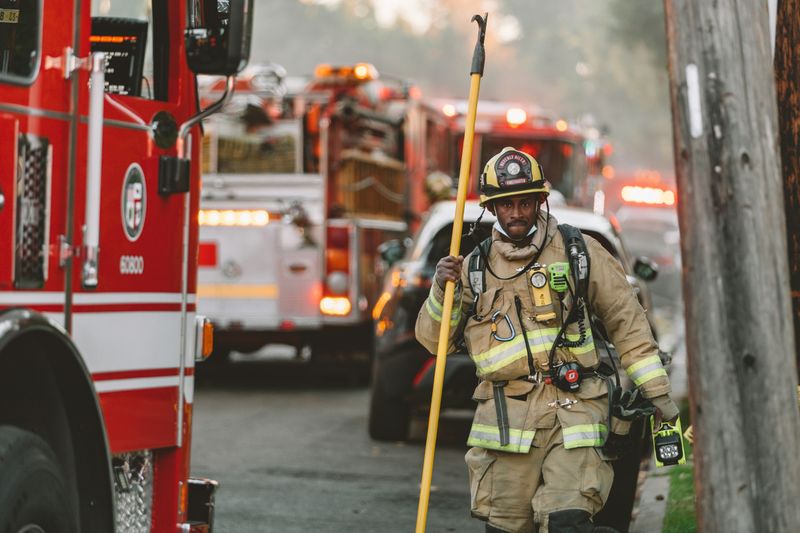 Photo by Spencer Davis on Unsplash
There are words and phrases you can practice using, so you'll be prepared if there's an emergency situation and you need immediate help for yourself or someone you are with.
Types of Emergencies
An emergency is “a sudden serious and dangerous event or situation that needs immediate action to deal with it."
There are important words and phrases to learn in English that will help you with different types of emergencies. Here are some common ones:
Fire
You see or smell smoke or fire or hear a fire alarm and need a firefighter.
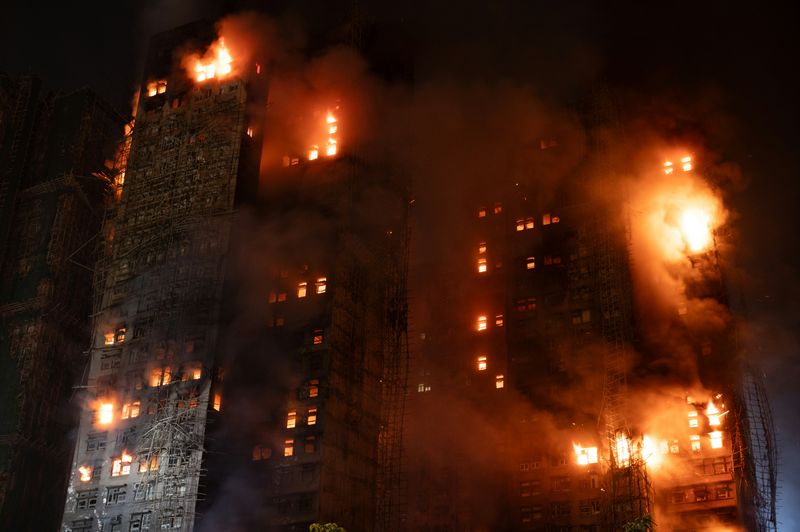 Photo by Lai Man Nung on Unsplash
Injury
You or someone else is badly hurt and needs to see a doctor at a hospital.
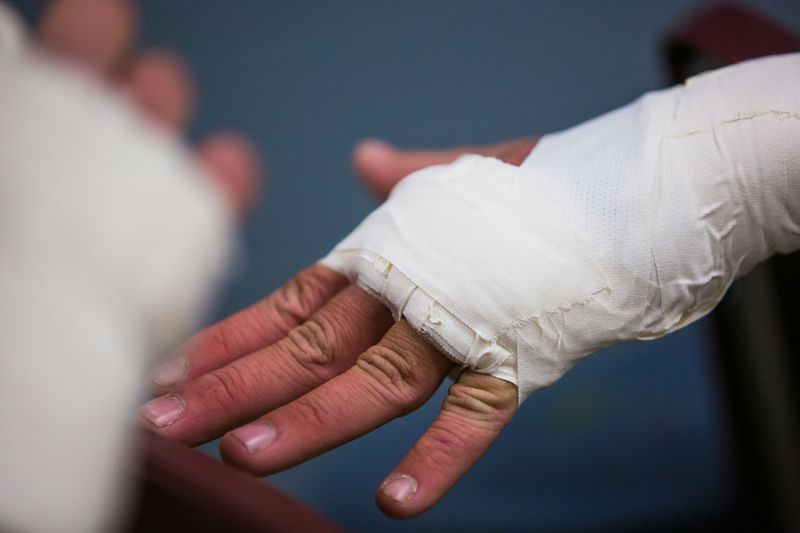 Photo by Daniel Lloyd Blunk-Fernández on Unsplash
Illness
You or someone else is feeling very sick from natural sickness or poison.
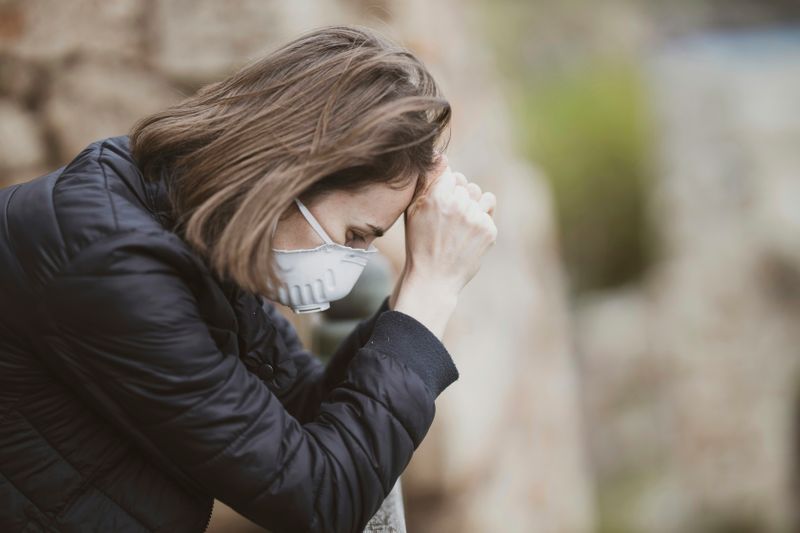 Photo by engin akyurt on Unsplash
Crime/Threat
You may need help from police officers if someone steals from you or makes you feel unsafe by following you or threatening you.
A threat is "a statement in which you tell somebody that you will punish or harm them, especially if they do not do what you want."
 Photo by Wesley Tingey on Unsplash
Asking for Help
Asking for help in an emergency situation is important. Here's what you can say when you need help right away:
 Please call [emergency phone number].
Say the local emergency phone number (The number may be 999, 911, 112, or 000 depending on the country you're in).
The person you say this to can call the emergency phone number for you and get help.
 Please help me!
Sometimes all you need to say is “Help!” you may be too scared or hurt to say more.
If you say "help," people who are nearby can see and notice the problem without you needing to explain it.
 Please hurry!
If you say "hurry", the people around will know help is needed right away.
Hurry means "to move or act quickly because there is not much time."

It's okay if you forget to say “please.” People won’t be mad if you're not polite when there's an emergency. The important part is getting the help you need.
Here is an example of calling for help and asking someone to call 911:
Explaining the Problem: Fire
If you notice a fire, here are some key phrases you can say so people know what you need help with:
 There is a fire!
This is the best way to alert other people about a fire. It will quickly get attention.
Alert means "to warn somebody about a dangerous situation or one that requires immediate action."
 I smell smoke.
Smoke is the first sign that there is a fire, so it's a good way to tell people that there's a fire emergency.
 Where is the fire escape?
You can use this phrase to ask people where to go if you see a fire inside so that you can exit safely.
 You don't need to explain in long sentences or every detail.Emergencies mean you need help fast, so the main ideas are the most important.
For example: You can say, "Fire!" instead of saying a full phrase or sentence.
Explaining the Problem: Injury or Illness
If you or someone you're with needs help from a doctor right away, this is called a medical emergency.
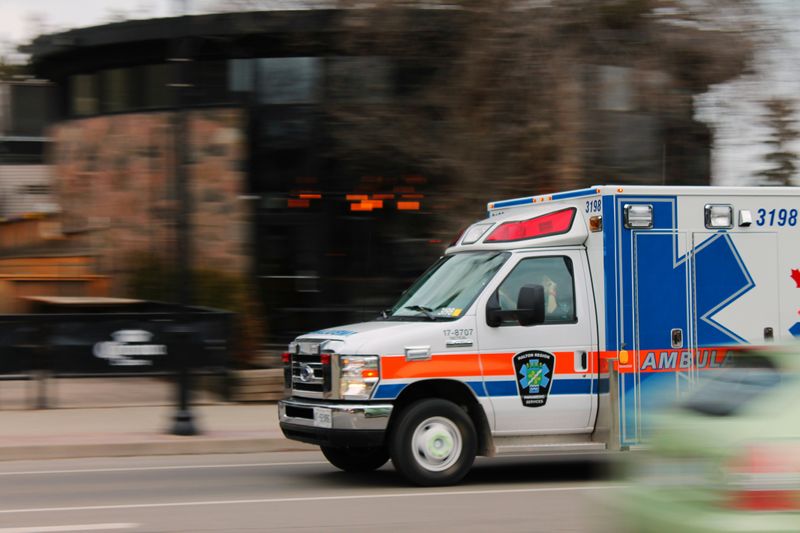 Photo by Jonnica Hill on Unsplash
Here are important phrases to help you prepare:
I need an ambulance.
An ambulance is "a vehicle with special equipment, used for taking sick or injured people to a hospital."
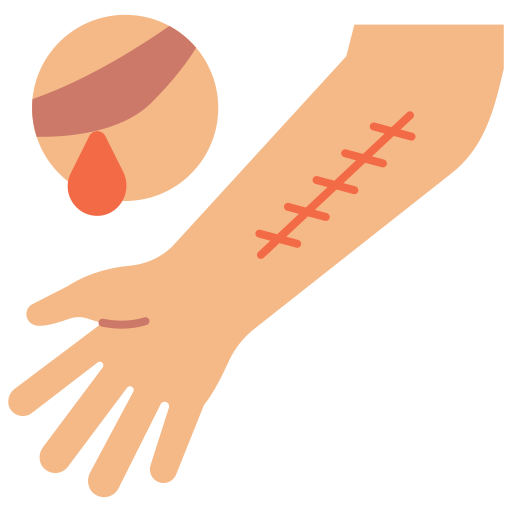 I’ve been hurt.
To help the person understand the exact problem, you can say something more specific, such as:
I am bleeding.
I think I broke a bone.
I can't move my [body part].
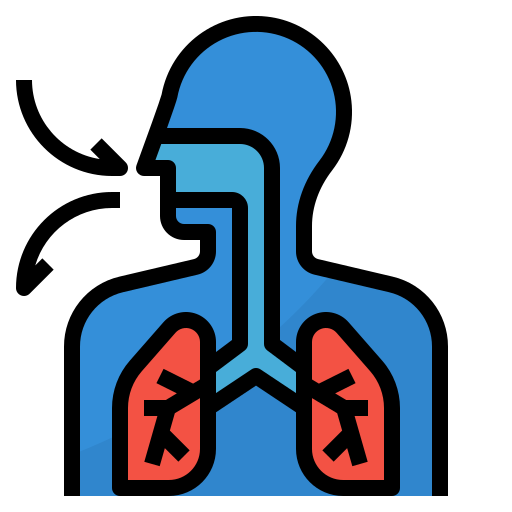 They aren't breathing.
You can say this if the person you are with is not waking up and they need CPR.
"CPR stands for ‘cardiopulmonary resuscitation’ and is a life saving technique used when someone has stopped breathing."
 I/they got [type of injury/harm].
There are different types of injury or harm. It could be a cut.Some could've been stabbed or shot.
Stab means "to push a sharp, pointed object, especially a knife, into somebody."
Here is a resource that will help you practice using words to describe medical emergencies.
Quiz
If you fall, hurt your leg, and you can’t stand up, what could you say to someone so that they know what you need help with? Select all answers that apply:
Explaining the Problem: Crime/Threat
 These phrases will help you if someone steals something important or if someone is threatening you:
 Stop, thief!
If the person who stole from you is still there, this can help alert people near you that you need help.
 They stole my [item that was stolen].
You can tell people or the police about what important item was taken from you, such as your passport or money.
 I need the police.
Police can help if a crime is happening or you're being threatened.
 I'm being followed by a stranger.
Adding the detail about a stranger, which means someone that you don't know, will tell the listener that you're worried about being harmed by the person who is following you.
Take Action
Do you feel ready to respond to an emergency?
By planning things to say before an emergency happens, you can feel safer by knowing that you're able to communicate your needs and quickly help others in English-speaking places.
 To make sure you're ready to speak in English during an emergency situation. Try these steps:
Your feedback matters to us.
This Byte helped me better understand the topic.